Propane Welding Gas
Liquid propane gas tanks for cutting, heating, brazing, industrial fuel applications, and clean-burning energy solutions.
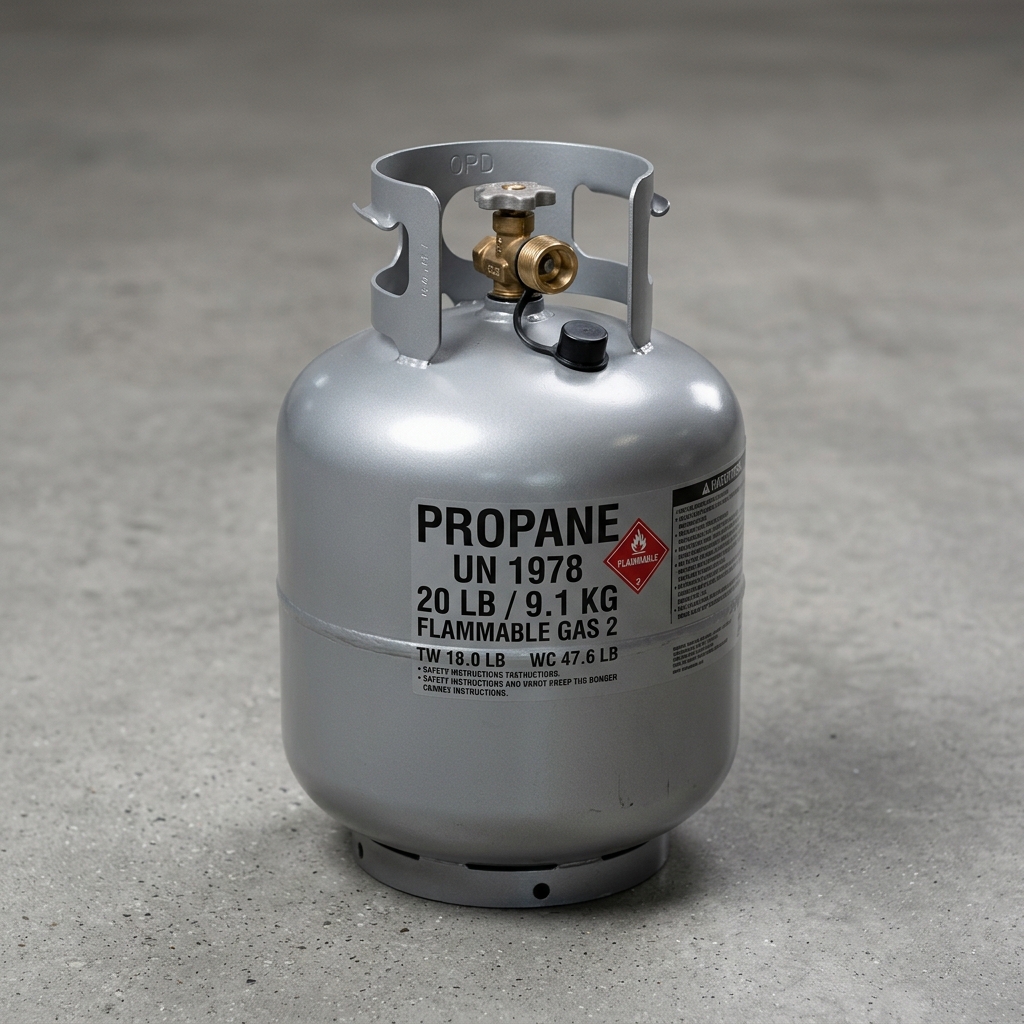
Propane Gas Supply for Welding & Industrial Applications
Havard Welding provides propane gas delivery Houston businesses depend on for welding support, flame cutting, heating, manufacturing, agriculture, transportation, and industrial fuel applications. Whether you need a single all purpose propane gas cylinder, recurring cylinder exchanges, or larger liquid propane gas tanks, our team supplies dependable propane solutions throughout East Houston. If you\'re searching for the nearest propane gas supplier, Havard Welding delivers responsive local service backed by decades of industrial cryogenic gas supply expertise.
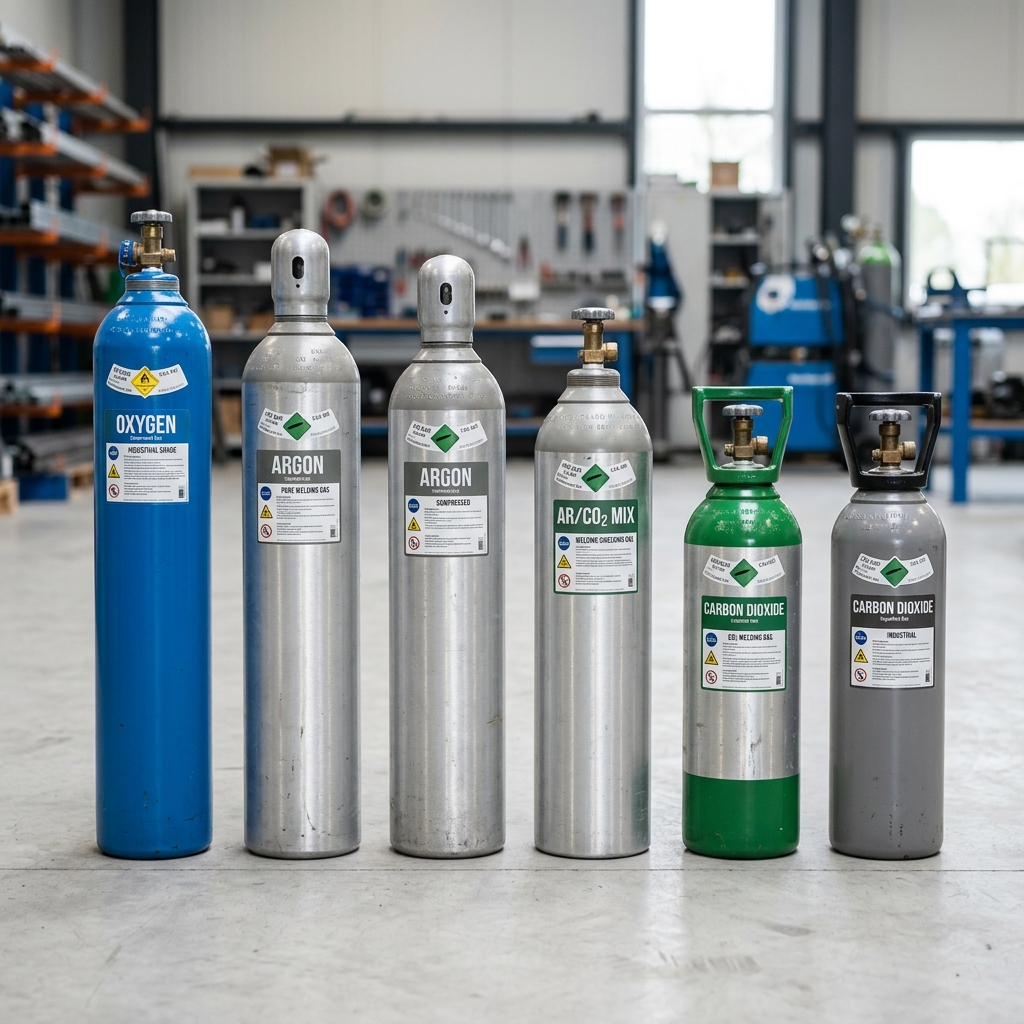
About Propane Gas
Propane (C₃H₈) is a liquefied petroleum gas (LP-gas) recognized for its portability, energy efficiency, and clean-burning characteristics. Under normal atmospheric conditions, propane is a colorless, odorless, non-toxic gas. For safety, an odorant is added to aid leak detection. When stored under moderate pressure, propane becomes a liquid and returns to a gaseous state as it is released for use.
One of propane\'s greatest advantages is storage efficiency. Liquid propane occupies approximately 270 times less volume than propane gas, allowing large amounts of fuel to be transported and stored economically in cylinders and liquid propane gas tanks used across commercial and industrial facilities.
Domestic production covers approximately 90 percent of the country\'s propane supply, with the remaining volume imported largely from Canada and Mexico. Natural gas processing generates 53 percent of domestic propane, while crude oil refining accounts for the other 47 percent. Propane is classified as a fossil fuel because it originates from the remains of plants and animals that lived millions of years ago.
Annual Consumption Breakdown (15 Billion Gallons Total):
Utility & gas industry
Internal combustion engines
Agricultural & other uses
Residential & commercial use
Chemical & industrial processing
Propane's Role in Clean Energy
Propane\'s molecular structure (C₃H₈) makes it one of the simplest hydrocarbons, allowing it to burn efficiently while producing fewer emissions than many conventional fuels. Research conducted by the U.S. Environmental Protection Agency demonstrated that LPG used as a motor fuel is significantly cleaner than gasoline, with propane-powered engines producing up to 45% less ozone-forming potential.
Recognized under the Clean Air Act of 1990 as a clean-burning alternative fuel, propane continues to support manufacturing, fabrication, agriculture, transportation, and other industries. Businesses seeking propane gas Houston suppliers benefit from a dependable fuel source that delivers efficient performance with lower emissions.
The History of Propane
Modern propane use began in 1910, when chemist Dr. Walter Snelling investigated why gasoline evaporated so quickly after purchase. His research identified propane, butane, and other hydrocarbons as the escaping gases. Using laboratory equipment he assembled himself, Dr. Snelling successfully separated gasoline into its liquid and gaseous components.
By 1912, propane was being used for residential cooking. The first propane-powered automobile appeared in 1913, followed by propane cutting torches in 1915. Commercial flame-cutting and cooking applications expanded during the 1920s, while propane sales exceeded one million gallons annually by 1927.
Industry standards also evolved rapidly. During the 1930s, the Compressed Gas Association (CGA) worked with the National Fire Protection Association (NFPA) to establish handling and storage recommendations, leading to the publication of NFPA 58 in 1932, a standard that continues to influence propane safety today.
When Dr. Snelling later sold his propane patent to Frank Phillips, founder of Phillips Petroleum Company, for $50,000, the commercial propane industry was still in its infancy. Today, propane represents a multi-billion-dollar industry serving millions of residential, commercial, agricultural, and industrial customers across North America.
Industrial Use Cases of Propane
Propane supports a broad range of industries because of its clean combustion, high energy content, and dependable availability.
Metal Cutting & Heating
Propane is widely used with oxygen for gas welding with propane, flame cutting, preheating, brazing, soldering, and general heating applications throughout fabrication shops.
Manufacturing & Processing
Manufacturers utilize propane for process heating, drying operations, furnace applications, and production equipment requiring consistent fuel performance.
Agriculture
Propane fuels crop drying systems, irrigation equipment, greenhouse heating, livestock operations, and numerous seasonal agricultural applications.
Commercial & Energy
Propane supplies energy for water heating, space heating, cooking, backup power generation, and commercial building operations.
Transportation
For decades, propane has served as an alternative transportation fuel. Propane-powered vehicles produce significantly lower emissions and ozone-forming pollutants.
Chemical Production
Propane is used throughout the chemical industry as both a fuel source and feedstock supporting numerous industrial manufacturing processes.
Safety & Chemical Specifications
DOT Information
| Property | Specification |
|---|---|
| DOT Shipping Name | Propane |
| Hazard Class | Flammable Gas |
| DOT Label | Flammable Gas |
| UN Number | UN1075 |
| CAS Number | 74-98-6 |
| Valve Outlet | CGA 510, CGA 300, CGA 510-A |
| Physical State in Cylinder | Liquid |
| Toxicity | Non-Toxic |
| Fire Potential | Flammable |
| Major Hazards | Suffocation, Flammable |
Physical Properties of Propane Gas
| Property | Value |
|---|---|
| Chemical Formula | C₃H₈ |
| Molecular Weight | 44.10 lb/mol |
| Specific Volume (70°F, 1 atm) | 8.62 ft³/lb |
| Specific Heat | 17.71 BTU/lbmol-°F @ 70°F |
| Specific Gravity | 1.576 |
| Gas Density | 0.1160 lb/ft³ @ 70°F, 14.7 PSIA |
| Vapor Pressure | 124.9 PSIA @ 70°F |
| Liquid Density (70°F) | 31.12 lb/ft³ |
Boiling Point
| Temperature: | -43.76°F |
| Liquid Density: | 36.28 lb/ft³ |
| Latent Heat: | 183.0 BTU/lb |
Critical Point
| Temperature: | 206.3°F |
| Pressure: | 618.7 PSIA |
Combustion Data
| Air to Burn 1 ft³: | 23.86 ft³ |
| Flash Point: | -156°F |
| Ignition Temp in Air: | 920–1020°F |
| Max Flame Temp in Air: | 3595°F |
| Lower Limit: | 2.4% |
| Upper Limit: | 9.6% |
| Octane Number: | Over 100 |
Propane Rental Cylinders Available
| PART NUMBER | CYLINDER SIZE | APPROX. WT. OF FULL CYLINDER (LBS.) | PRESSURE (PSI @ 70F) | DIMENSIONS (Height x Diameter) | CAPACITY (Gallons) | CAPACITY (Liters) |
|---|---|---|---|---|---|---|
| PRO033 | 33 lbs. | 33 lbs. | — | — | — | — |
| PRO100 | 100 lbs. | 100 lbs. | — | — | — | — |